More Than Skin Deep: The Hand-Poke Tattoo Revival
No machine, no buzz: just a needle, ink and a lot of patience. Why hand-poked tattoos are having a moment.
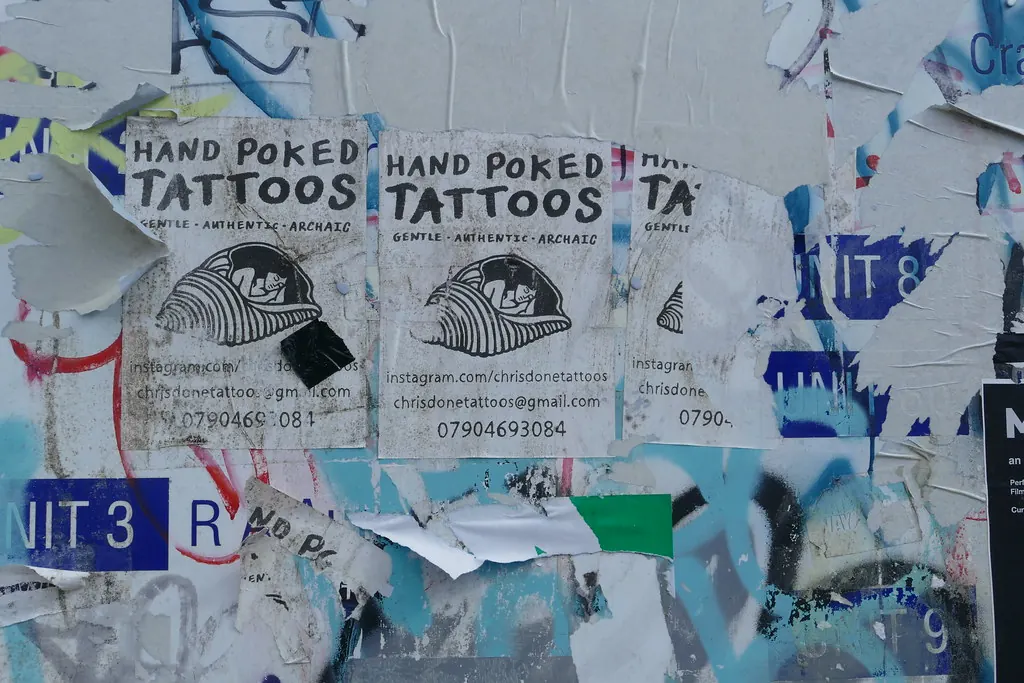
Tattooing started as a hand craft. Long before electric machines, people around the world put ink into skin by hand, with tapping, poking and stitching techniques. Today hand-poked tattoos (often called "stick and poke") are having a real revival, especially in New York, Tokyo and other cities with strong tattoo cultures.
What is a hand-poked tattoo?
A hand-poked tattoo is made by pushing a single needle (or a small grouping) into the skin by hand, one dot at a time. There's no motor and no buzzing. The artist builds lines and shading from many tiny points. Done professionally, with sterile, single-use needles and quality tattoo ink, the results can be crisp, delicate and very detailed.
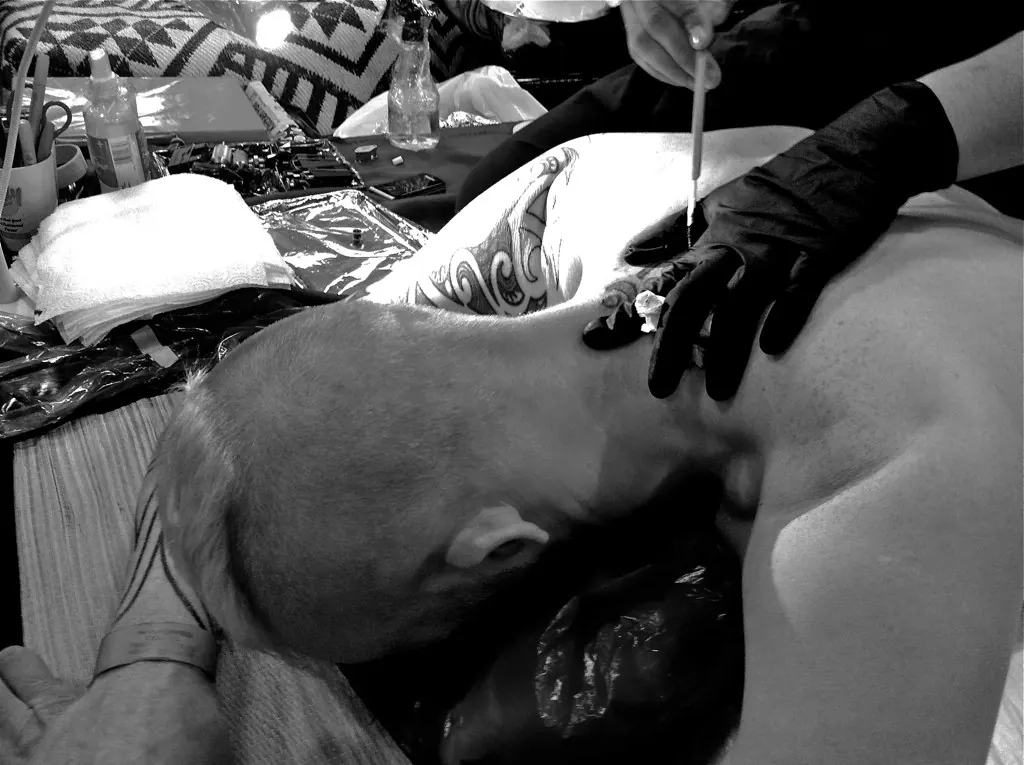
Hand-poke vs. machine
- Feel: Many clients find hand-poking gentler and quieter, though it takes longer.
- Look: Hand-poked work often has a soft, textured, dotted quality that suits fine line, minimal and illustrative designs.
- Healing: It can be less traumatic to the skin, so some people heal faster. Aftercare still matters just as much.
- Time: Expect longer sessions for the same size piece.
From DIY to the studio
"Stick and poke" used to mean a sewing needle, thread and pen ink in someone's bedroom, and that carries real infection and blowout risks. The revival is different. Professional hand-poke artists work in licensed studios or private appointment-only spaces. They use proper sterilization and treat the technique as a deliberate artistic choice.
In Tokyo, hand techniques have deep roots: traditional Japanese tebori uses a hand tool to create the large bodysuits associated with Japanese tattooing. A newer generation of artists in Tokyo and New York uses hand-poking for small, personal, fine-art pieces, and many travel between the two cities doing guest spots.
How to find a good artist
- Study portfolios and look for healed photos, not just fresh ones.
- Ask about hygiene: single-use needles, gloves, barrier film and a clean workspace are non-negotiable.
- Check licensing where it's required. In New York City, tattoo artists need a license from the city's health department.
- Book a consultation to talk about placement, size and how your design will age.
Why it matters
For many people, a hand-poked tattoo is about the process as much as the result. It's slow and quiet, and you have to trust the artist. It's a reminder that a tattoo is more than skin deep. More stories about the city's makers are in our human.nyc archive.