Defining Your Own Rules: Welcome to the New Age of Spirituality
Tarot apps, moon circles and occult bookstores: why so many young New Yorkers are writing their own spiritual rulebook.
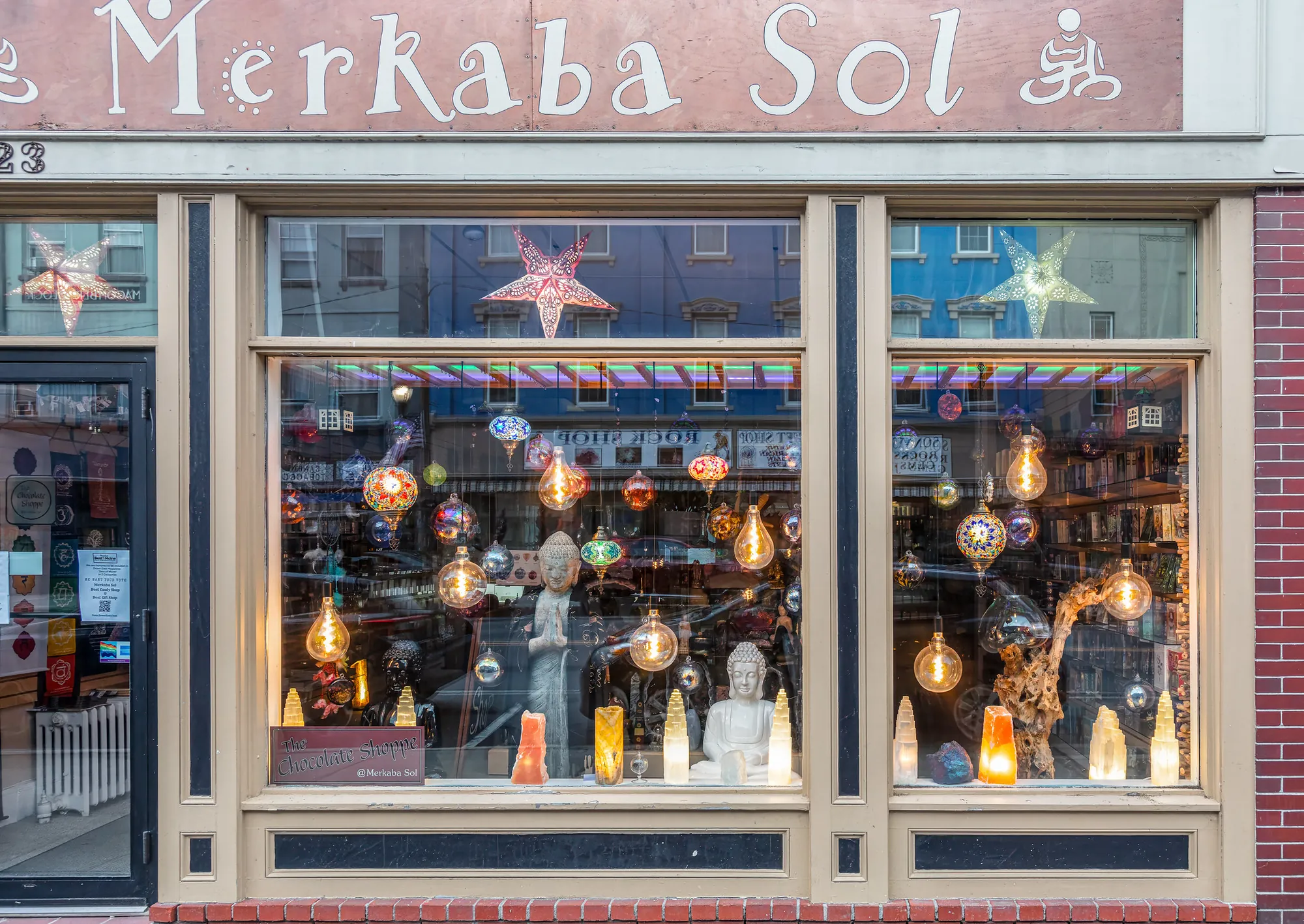
Fewer young Americans identify with organized religion than any generation before them. But that doesn't mean they've stopped looking for meaning. Many are putting together a personal, mix-and-match spirituality from tarot, astrology, crystals, meditation, herbalism and modern witchcraft. The rules are theirs to write.
A spirituality without gatekeepers
The appeal is easy to see. Personal practice doesn't need a congregation, a dogma or permission. You can pull a tarot card in the morning, track the moon's phases, set intentions and still feel free to drop what doesn't work. Social media sped it all up: witchy creators on TikTok and Instagram, astrology apps and celebrities who talk openly about energy, manifestation and alternative belief. Public figures such as Jaden Smith, with his openly philosophical and unconventional takes on life, helped make this kind of exploration feel mainstream for a younger audience.
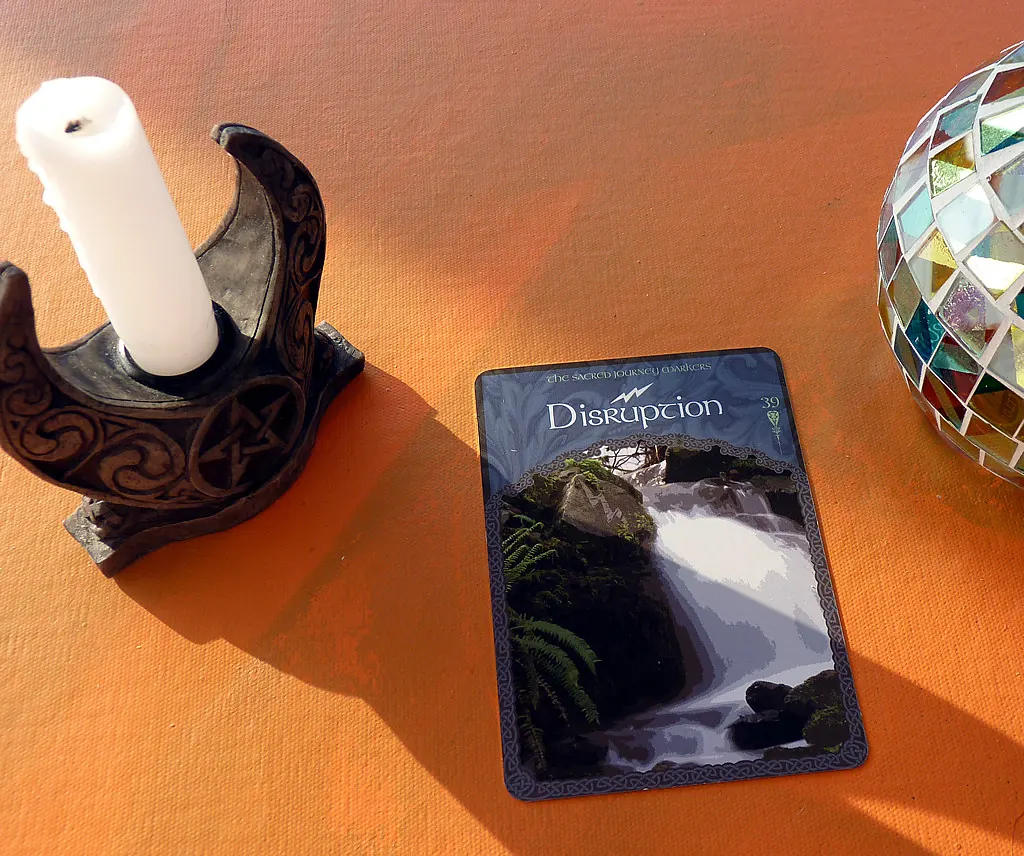
The shops: Catland and the occult bookstore
New York has a long line of metaphysical shops, and a new generation has given it fresh energy. Catland Books in Bushwick, Brooklyn, is one of the best known. It's an occult bookstore and community space selling books, candles, herbs and tools, and it hosts classes and workshops on tarot, witchcraft, astrology and more. Spaces like this work as gathering places. People go to learn and meet others, not only to shop.
Eggshells in witchcraft
One small, practical example of how folk traditions get passed along: eggshells. In many folk-magic and modern witchcraft practices, eggs and eggshells stand for protection, fertility and new beginnings. The best-known use is cascarilla, a fine white powder made from ground eggshells, which comes from Afro-Caribbean and Latin American traditions. Practitioners use it for:
- Protection: drawing lines or symbols at doorways and windows.
- Cleansing: adding it to spiritual baths or sprinkling it in a space.
- Ritual markings: drawing sigils or circles on altars and candles.
If you're curious about traditions with specific cultural roots, learn where they come from and who keeps them alive. Shops and teachers who credit those origins are a good sign.
Defining your own rules, responsibly
- Start with curiosity, not purchases. Books, classes and conversation come before an expensive crystal haul.
- Respect closed practices. Some traditions are meant to be learned within a community.
- Keep your judgment. Spiritual practice can support mental health but shouldn't replace medical care.
- Find your people. Workshops and moon circles are where practice turns into community.
More from New York's culture scene: the hand-poke tattoo revival and pole dancing as art and sport.