On Pole Dancing: Strength, Artistry and Community
It's a sport, an art form and a community. It's also some of the hardest strength training you'll ever do.
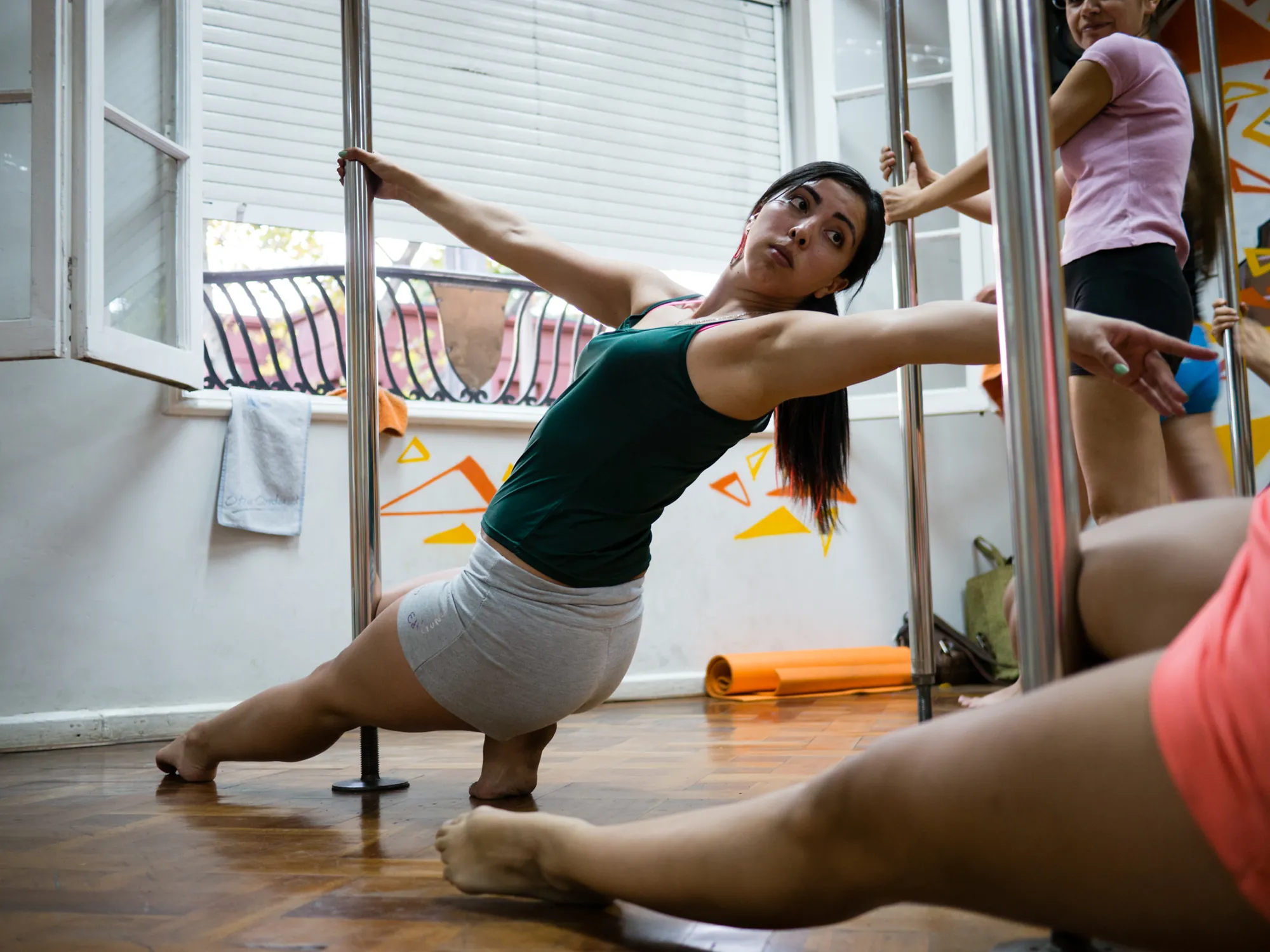
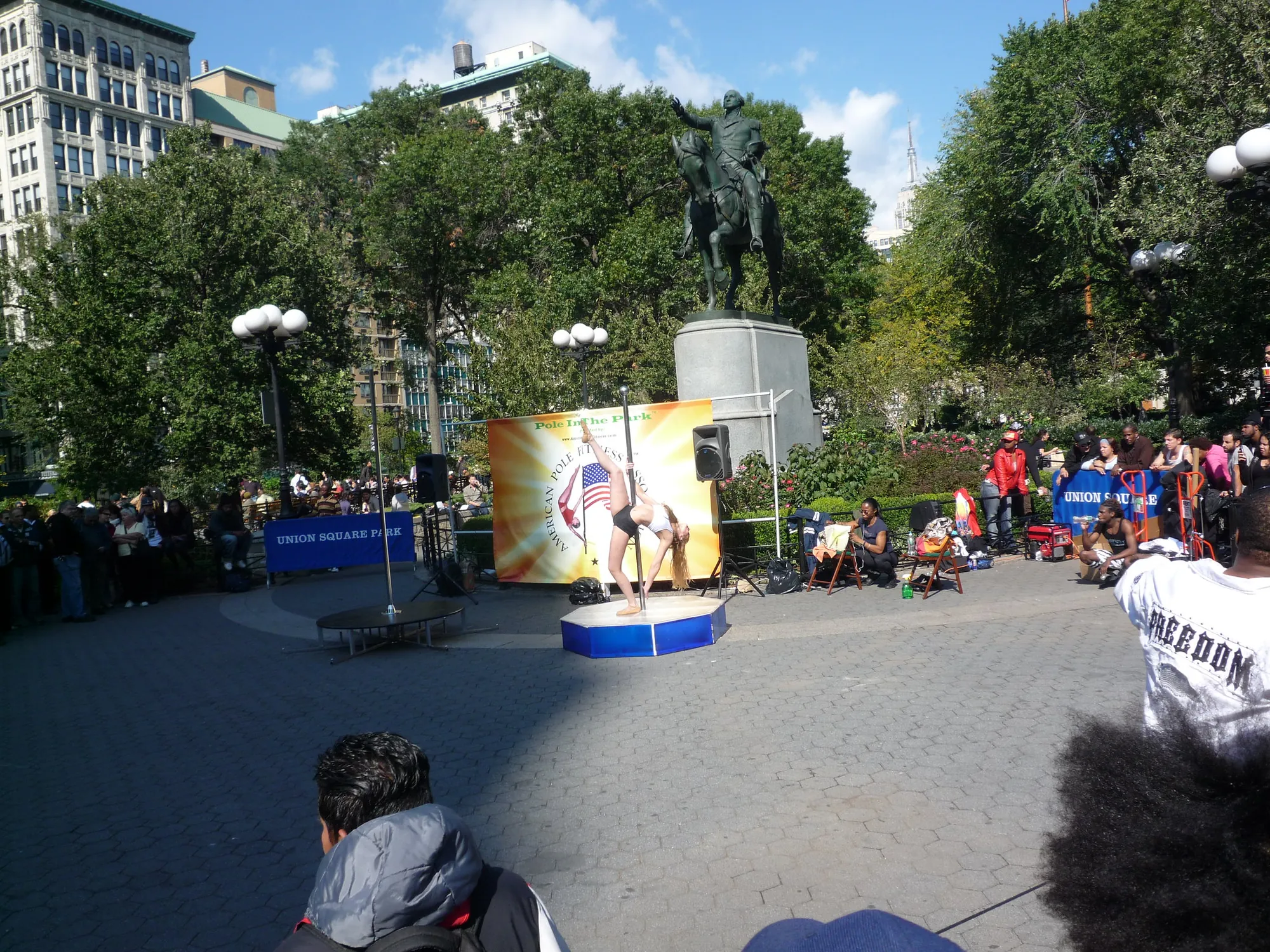
Ask anyone who has taken a pole class what surprised them most and the answer is almost always the same: how hard it is. Pole dancing asks for grip strength, core control, flexibility and a lot of nerve. In New York, it has grown from a niche into a big network of studios, instructors and performers who take it seriously as both art and athletics.
A short history
Dancing on a pole has roots in very different traditions. Indian mallakhamb uses a wooden pole for gymnastic feats, and Chinese pole acrobatics is a circus discipline. The modern form people recognize grew up in clubs in North America. From the 2000s on, fitness studios reclaimed it as a workout. Today there are international competitions, scoring codes and a push by athletes to have pole sports recognized alongside gymnastics.
What it takes
- Strength: Climbs, holds and inversions build serious upper-body and core strength.
- Flexibility: Advanced shapes need open shoulders, hips and backs, built gradually.
- Skin grip: Bare skin holds the pole, which is why dancers wear shorts. It isn't about costume.
- Patience: Bruises and slow progress come with the territory. Everyone starts with spins and walks.
The community
Pole studios often say they're built on body positivity and on people supporting each other. Classes mix ages, body types, genders and backgrounds. A beginner's first climb gets the same cheering as an advanced dancer's new combo. For many people, the studio becomes the place they built confidence as well as muscle.
New York has studios across the boroughs, from fitness-focused gyms to spaces centered on performance, choreography and "exotic" styles that celebrate pole's club heritage. Instructors here usually have backgrounds in dance, gymnastics, circus or competition, and many run showcases where students perform.
How to start
- Book an intro class. Most studios offer beginner sessions with no experience needed.
- Wear shorts and a tank top, and skip lotion that day: it makes the pole slippery.
- Expect to feel it the next day, especially in your forearms and shoulders.
- Go regularly. Strength builds fast with consistency.
Pole is part of a bigger story about New Yorkers redefining what movement and self-expression look like. Read more in our Culture archive.