Journalistic Inquiry: Notes, Quotes and Details
A food festival is a crash course in reporting: noisy, crowded and full of small details worth writing down.
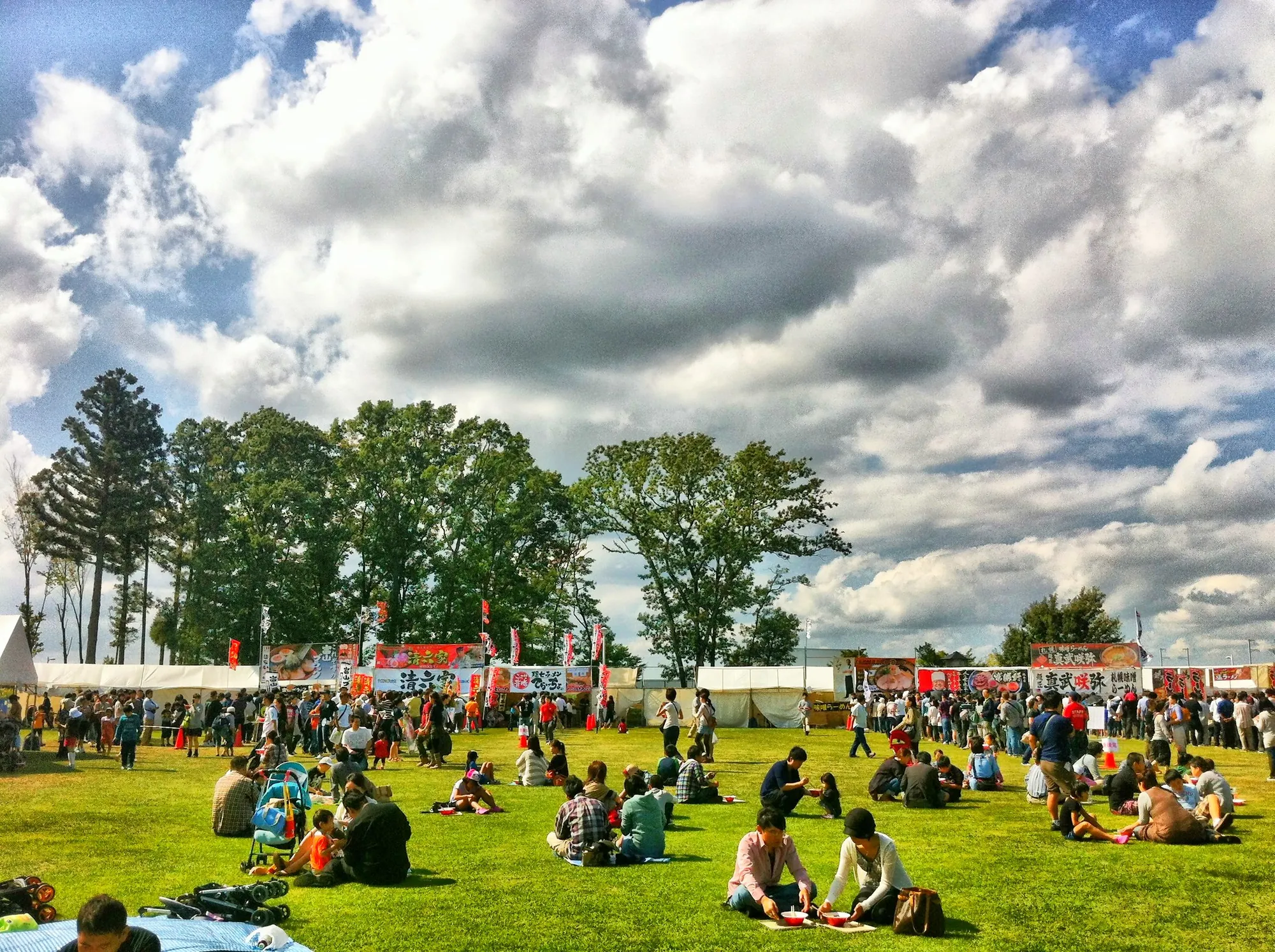
New York's ramen festivals bring dozens of shops, some local and some flown in from Japan, under one roof or tent for a day of slurping. They're also an excellent place to practice journalistic inquiry. There are long lines to watch, chefs to talk to, ingredients to identify and a thousand small details to notice. Here's how to cover a food event and come home with a story, not just a full stomach.
Notes: write down everything, then a bit more
- Who: Shop names, chef names (spelled correctly), and where each shop is from.
- What: Broth style (tonkotsu, shoyu, shio, miso), noodle thickness, toppings, portion size and price.
- Sensory details: The fog over a pot of pork bone broth, the sound of a crowd slurping, the color of a tare.
- Numbers: Wait times, bowls served, how long a broth simmers. Numbers make a story concrete.
Quotes: ask open questions
The best quotes come from questions that can't be answered with yes or no. "What's the hardest part of this bowl?" gets more than "Is this hard to make?" Ask chefs about their first bowl of ramen, ask festival-goers why they waited 40 minutes, and record (with permission) so you can quote people exactly. Never tidy up a quote into something the person didn't say.
Details: the story is in the small things
Anyone can write "the ramen was delicious." A reporter notices the chef tasting the broth between every batch, the hand-written sign apologizing that the chashu sold out, or the line of regulars in matching T-shirts. Specific, verifiable details are what make readers trust you.
Ramen quotes we love
Ramen has inspired plenty of thoughts worth quoting. Some favorites:
"Peace will come to the world when the people have enough to eat." — attributed to Momofuku Ando, inventor of instant ramen
"A bowl of ramen is a whole universe in a bowl." — a common saying among ramen lovers
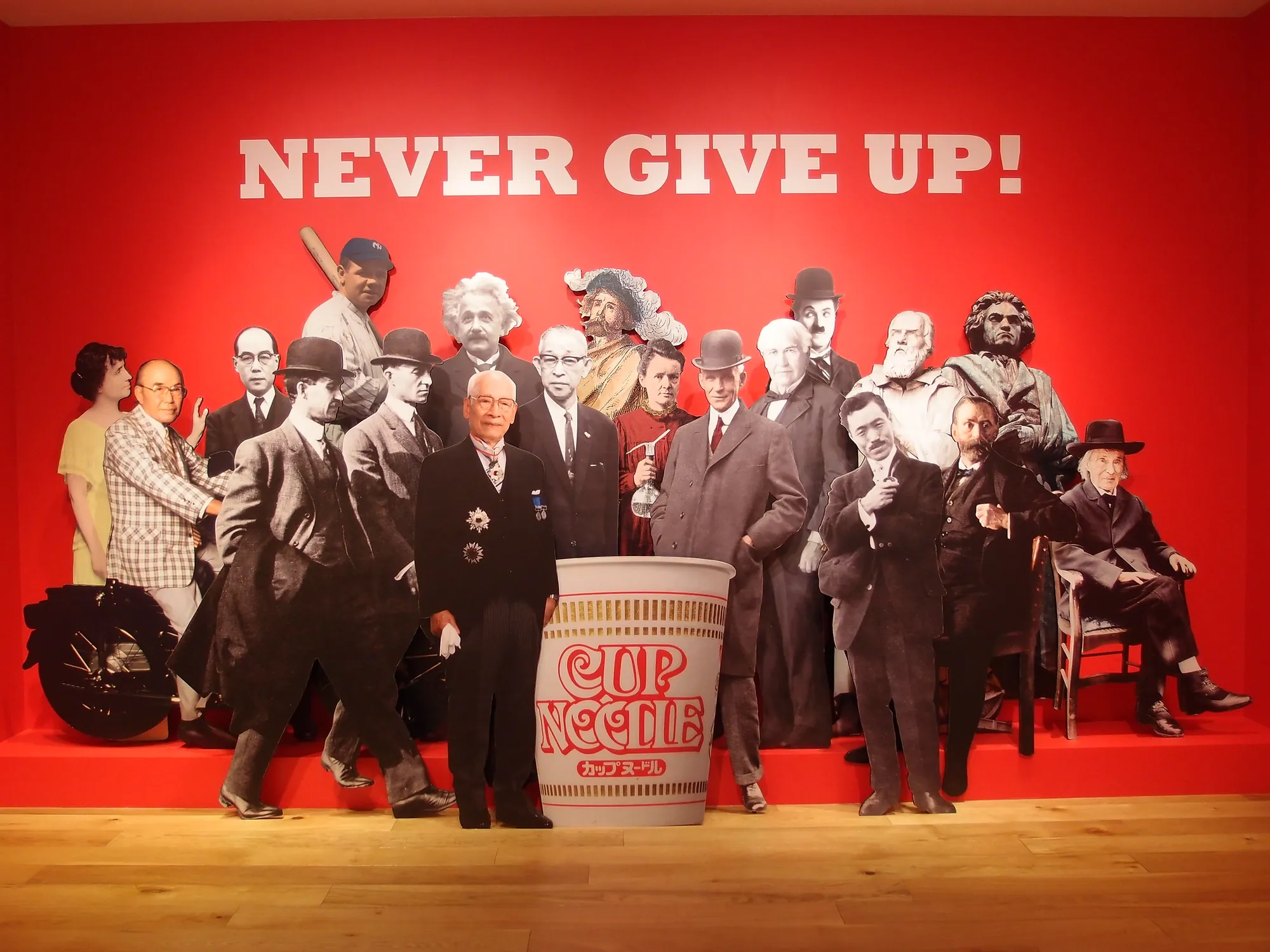
Ando created instant noodles in Japan in 1958, and the Cup Noodles Museum in Yokohama tells his story. Japanese film has its own ramen classic: Juzo Itami's 1985 comedy Tampopo, a "ramen western" full of memorable lines about how to properly appreciate a bowl.
Writing it up
- Lead with a scene, not a summary.
- Pick three or four standout bowls instead of listing every vendor.
- Fact-check names, prices and quotes before you publish.
- End with something the reader can do: where to find the shop year-round, or when the festival returns.
Looking for noodles right now? Read about Little Tong Noodle Shop, the East Village spot that brought Yunnan mixian to New York.