Turkish Immigrant Restaurant Owners in New York & London
Two cities, one story told thousands of times: a family opens a restaurant so the next generation doesn't have to.
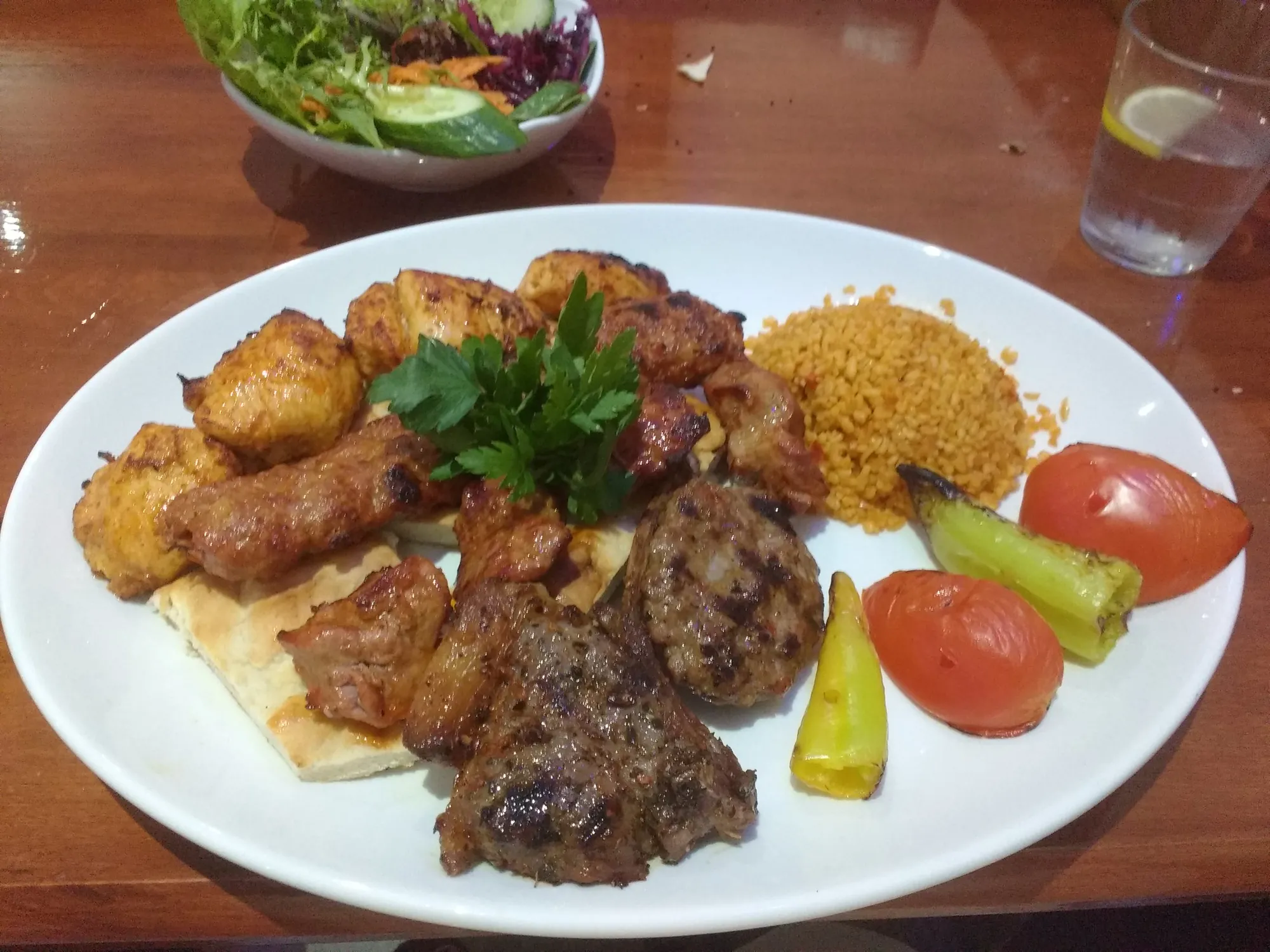
Walk down Green Lanes in north London or Skillman Avenue in Sunnyside, Queens, and you'll see the same signs: kebap, pide, lahmacun, ocakbaşı. Behind most of them is a family that crossed a border, opened a kitchen and worked very long hours. This piece looks at what Turkish immigrant restaurant owners in New York and London have in common and where their stories split.
Why restaurants?
For many first-generation immigrants, a restaurant is the business that takes skills they already have. It doesn't need a recognized degree or perfect English to start. A family recipe, a few relatives who will work the counter and a lease are enough. In both cities, the Turkish restaurant became a way to earn money and also a way to keep a community together: a place to hear your own language, read a Turkish newspaper and find out who is hiring.
A theme comes up again and again in these family histories: the restaurant was never meant to be the children's future. It was there to pay for it. Parents worked double shifts at the grill so their kids could study law, medicine or engineering. In many of these families, the restaurant works as a tuition fund, and the long hours are spent for the sake of the kids' education.
London: Green Lanes, Dalston and the ocakbaşı
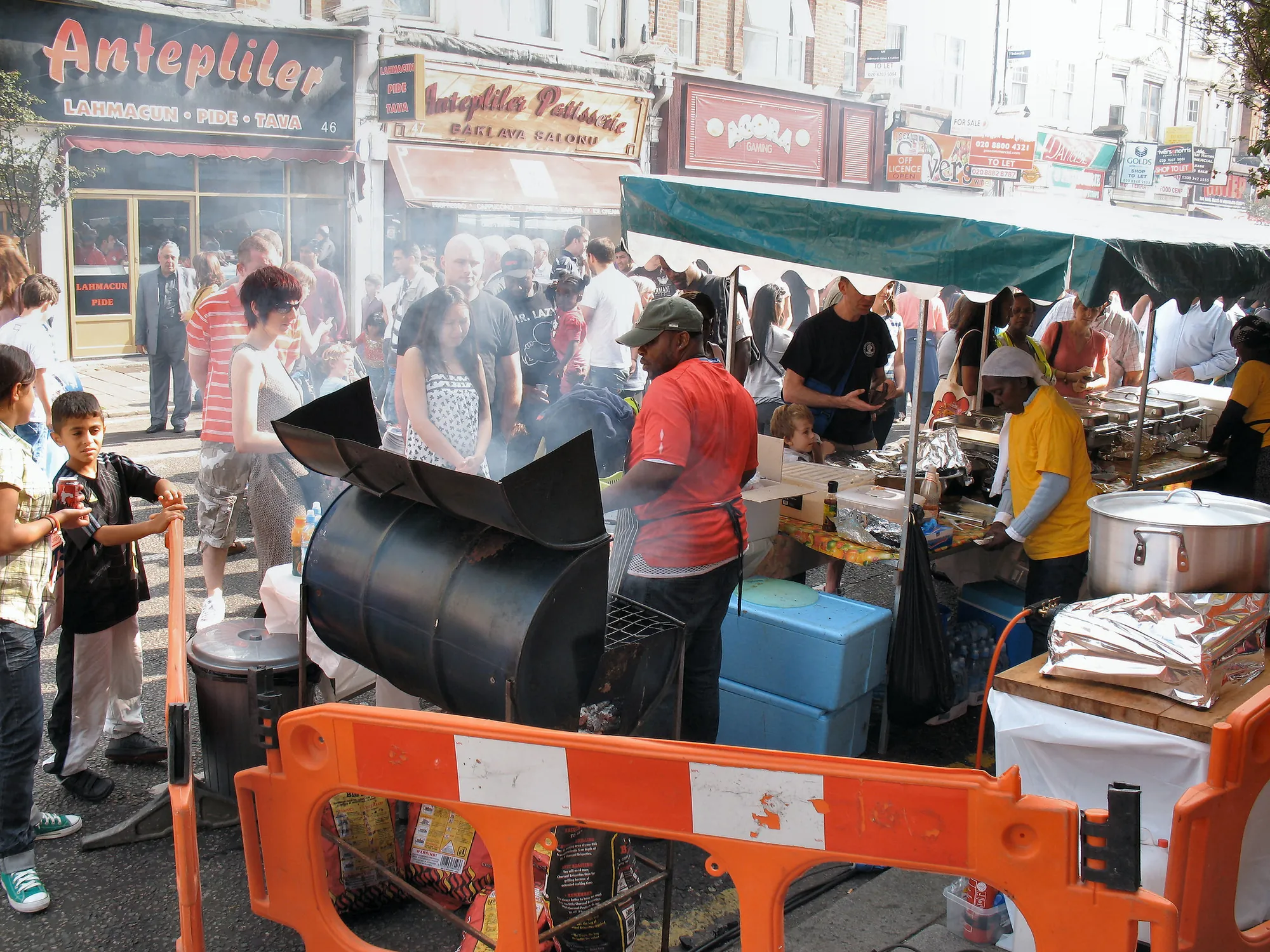
London's Turkish and Turkish-Cypriot community grew from the 1950s on, and later arrivals from mainland Turkey and Kurdish regions added to it. North and east London became the center: Harringay's Green Lanes, Stoke Newington and Dalston. The grill restaurant, or ocakbaşı, defines these streets. Diners sit around a charcoal grill hood while the usta (master griller) works skewers of lamb, chicken wings and adana kebab over open coals.
London's Turkish restaurants also shaped the city's late-night food culture. The neighborhood kebab shop is now so normal in Britain that people forget it was an immigrant business model. Families built it shop by shop, with long opening hours, small margins and a lot of loyalty from regulars.
New York: Sunnyside, Bay Ridge and Paterson's "Little Istanbul"
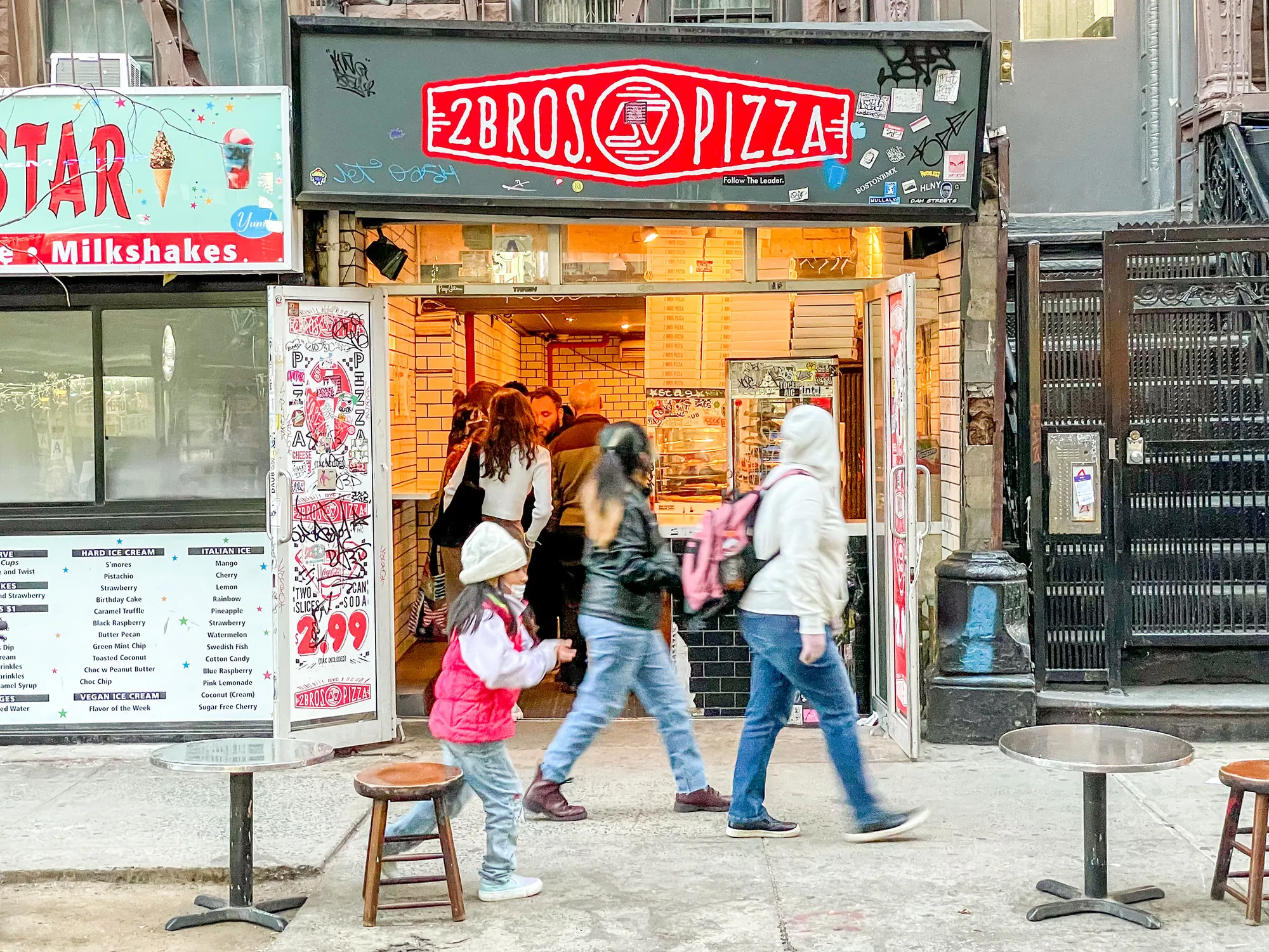
The Turkish community in the New York area is smaller and more spread out. Restaurants cluster in Sunnyside and Astoria in Queens, around Bay Ridge in Brooklyn, and across the river in Paterson, New Jersey, whose Main Street area is often called "Little Istanbul." Manhattan has its own mix, from casual pide and döner counters in Midtown to sit-down meyhane-style dining rooms.
New York's restaurant economy is brutal in its own way. Rents are high, competition is constant and the clientele changes from block to block. Turkish owners here often lean on what sets them apart. They bake their own bread, or they run a pide oven or a real baklava counter. Some sell to the wider Mediterranean market and some to fellow Turks who want breakfast the way it's served at home: olives, white cheese, tomatoes, cucumbers, simit and endless tea.
What the two cities share
- Family labor. Spouses, siblings and teenage children cover shifts. The business works because labor costs are absorbed by the family.
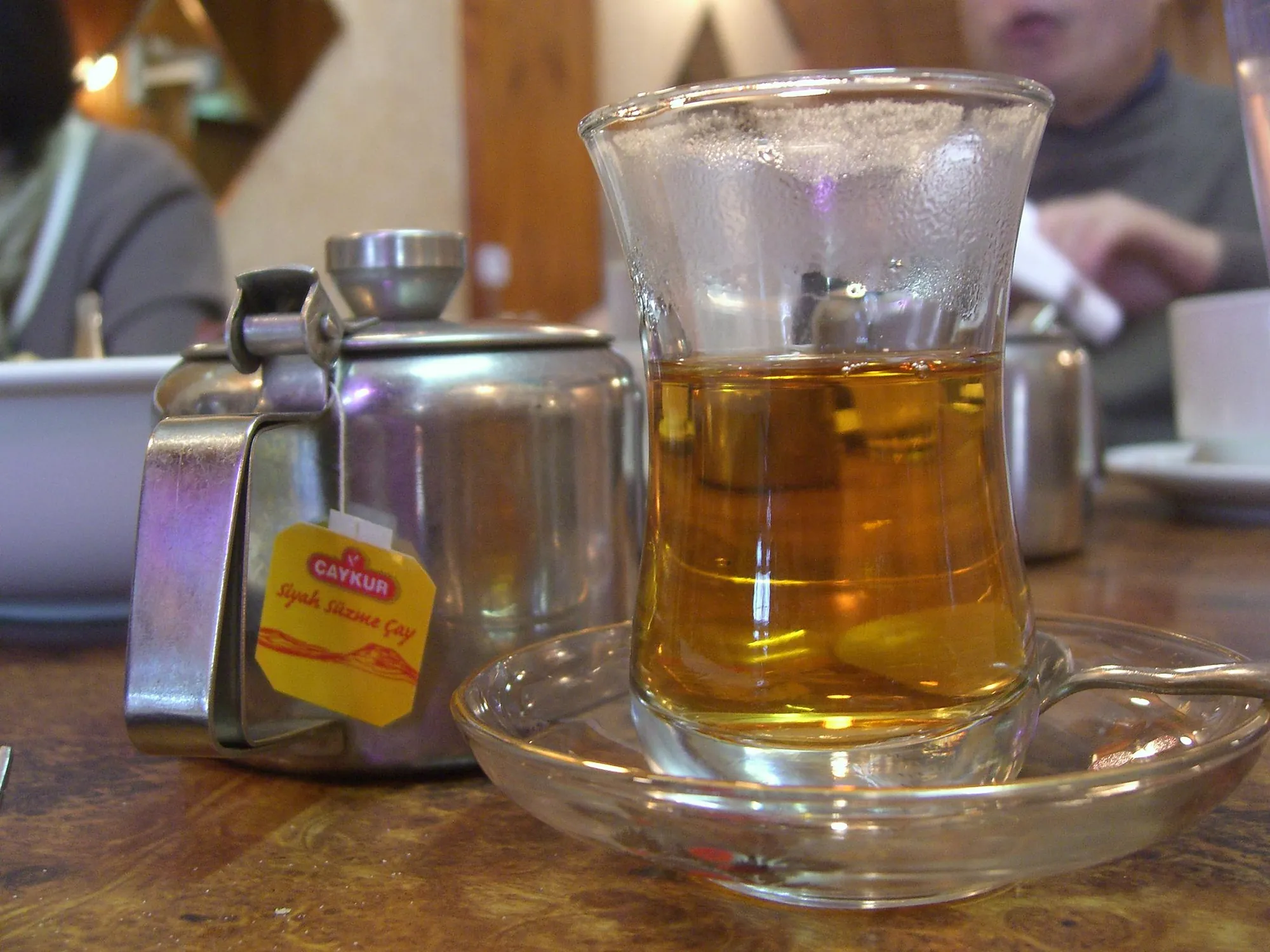
- Hospitality as identity. A free glass of tea or a plate of fruit at the end of the meal isn't a promotion. It comes from the culture of misafirperverlik, taking care of the guest.
- Education as the goal. The restaurant pays for school. Many owners hope it closes with them rather than passing down.
- A community hub. Restaurants double as informal job boards, translation services and places to celebrate.
Where they differ
London's scene is denser and older, so it has more specialization. You'll find dedicated ocakbaşı grills, Cypriot meze houses and Kurdish-run cafés. New York's is younger and more mixed. One restaurant may serve as bakery, grill and café at once, and owners often market themselves as "Mediterranean" to reach a wider audience. In London, being Turkish is the draw. In New York, it's sometimes something you explain on the menu.
The pandemic test
When dining rooms closed in spring 2020, family-run immigrant restaurants were among the most exposed businesses in both cities. They had thin cash reserves and landlords who still expected rent. Many of them were also slow to get onto delivery platforms. The ones that survived usually did it the way they had always worked: family members took unpaid shifts, menus got shorter and regulars kept ordering. More on the city's food institutions is in our Food archive.
How to support them
Order directly from the restaurant rather than through a high-commission app. Tip properly, and go back. Ask what's good today. In most Turkish kitchens the answer is whatever came out of the oven an hour ago.